
Dog Training: Book now!
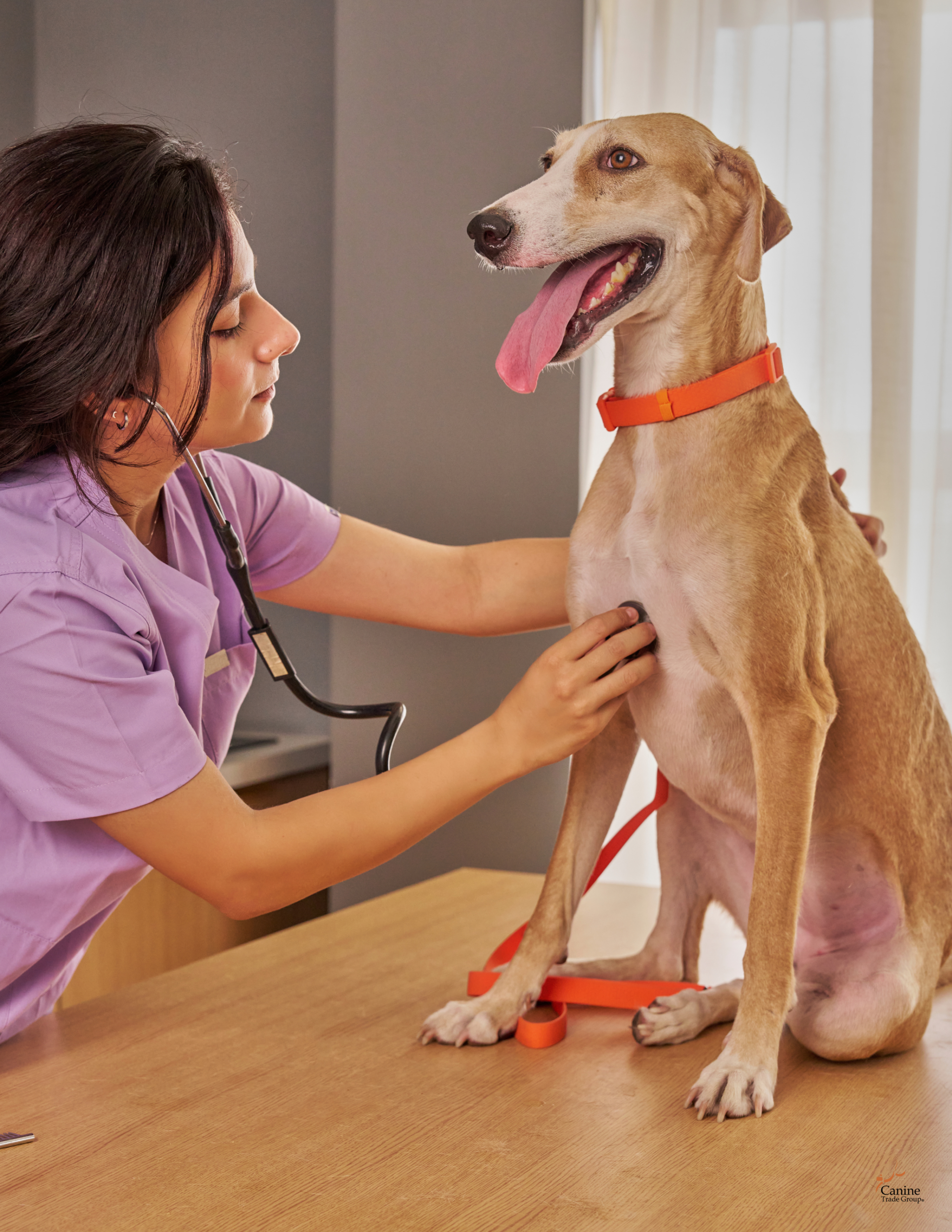
Vetiquette: Low-Stress Vet Care Training for Dogs & Owners
Does taking your dog to the vet cause stress—for your dog and for you?
Do you worry that your dog might need to be sedated just to get through a routine exam?
Take a deep breath. Vetiquette is here.
Vetiquette is a low-stress veterinary handling and exam-style training program designed for every dog owner who wants calmer, safer, and more cooperative vet visits—without fear, force, or unnecessary sedation.
What Is Vetiquette?
Vetiquette teaches dogs how to comfortably tolerate common veterinary procedures such as:
- Handling of ears, paws, and mouth
- Gentle restraint
- Physical exams
- Vet-style touch and positioning
By training these skills before your vet visit, you help your dog build confidence and reduce anxiety—making appointments easier for everyone involved.
Your veterinarian will thank you.
Do Dogs Really Need to Be Sedated for Vet Care?
In many cases, sedation is used because a dog is fearful, reactive, or unable to be safely handled—not because the procedure itself is extreme.
Vetiquette helps address the root of the problem:
- Fear and stress at the vet
- Lack of handling tolerance
- Negative past experiences
With proper preparation, many dogs can undergo routine care calmly and safely without sedation.
Benefits of Vetiquette Training
- Reduced stress and fear during vet visits
- Improved handling tolerance at home and in the clinic
- Safer exams for dogs, owners, and veterinary staff
- Fewer forced or sedated procedures when possible
- A calmer, more confident dog overall
This program is ideal for:
- Puppies starting off right
- Nervous or sensitive dogs
- Dogs with a history of stressful vet visits
- Owners who want proactive, humane solutions
Sign Up for Vetiquette Today
You don’t have to dread vet visits—and your dog doesn’t have to either.
Vetiquette empowers you to prepare your dog for veterinary care in a calm, respectful, and effective way.
Contact us today and make vet visits easier, safer, and less stressful—for everyone involved.
Preparing Dogs for the Vet: The Vetiquette Approach
With your encouragement, dog owners can take three key steps to better prepare their dogs for veterinary visits. These steps are examined in depth throughout the Vetiquette training program.
Step 1: Pet With Purpose
One of the simplest—and most powerful—ways to prepare dogs for veterinary care is petting with purpose.
Every time a dog receives affection, such as a belly rub or cuddle, owners are encouraged to gently and intentionally touch the areas a veterinarian will need to examine, including:
- Feet and toes
- Ears
- Tail
- Mouth and muzzle
This consistent, calm exposure helps dogs become desensitized to handling in sensitive areas, making routine veterinary exams significantly less stressful for everyone involved—especially the dog.
Step 2: Trim the Nails—Without the Stress
For many dogs, nail trims are one of the most stressful grooming and veterinary procedures. From the dog’s perspective, it’s a strange and invasive experience that often happens only every few weeks—making it unfamiliar, unpredictable, and uncomfortable
During Vetiquette training, clients learn how to help their dogs build a positive emotional response to nail trimmers rather than fear or avoidance.
Dogs are taught a simple and effective “touch” command, where they:
- Touch an object with their nose
- Immediately receive a reward
By repeatedly pairing the trimmers with positive reinforcement, dogs become desensitized to the grooming tool and begin to associate it with something good.
Step 3: Teach the Hug—Safe Physical Restraint Without the Stress
Most dogs do not naturally enjoy hugs. While humans view hugging as affectionate, many dogs perceive it as restrictive or threatening, which can lead to stress or defensive reactions.
However, a form of “hugging” is often required in the veterinary exam room as physical restraint during routine procedures.
Vetiquette addresses this disconnect by teaching dogs to comfortably tolerate appropriate restraint, reducing fear and minimizing the need for escalation.