
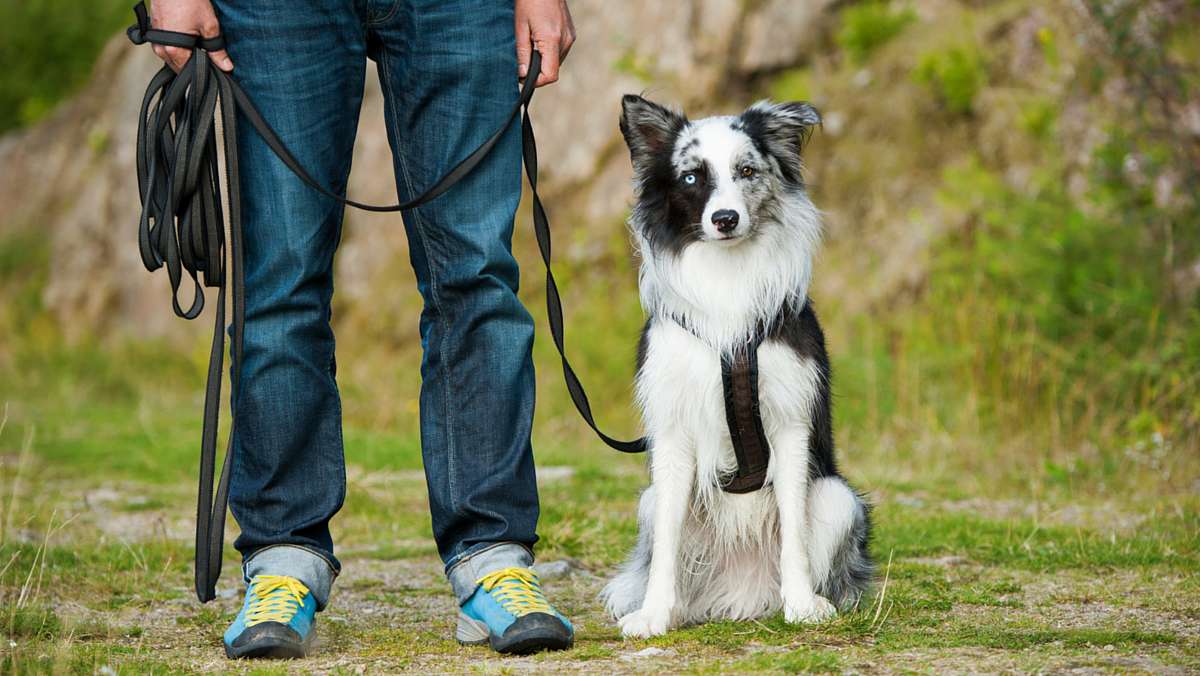
Leash Walking: Turning Daily Walks Into Enjoyable Experiences
For many dog owners, what should be a relaxing walk quickly turns into a battle of strength. Dogs pull toward squirrels, rush to greet other dogs, zigzag across sidewalks, or drag their owners from one smell to the next. Instead of enjoying time together, every walk becomes frustrating.
The good news is that leash walking is a skill that can be taught alongside with basic obedience training. With patience, consistency, and clear communication, nearly every dog can learn to walk calmly beside their owner.
Whether you have an energetic puppy, an adolescent dog testing boundaries, or an adult rescue that has never learned proper leash manners, loose leash walking creates safer, more enjoyable outings for everyone.
Why Dogs Pull on the Leash
Dogs aren’t born knowing how to walk politely beside a person.
In fact, pulling often works in the dog’s favor. Every time a dog pulls toward an interesting smell, another dog, or a favorite park and successfully reaches that destination, the pulling behavior is reinforced. Over time, the dog learns that pulling is an effective way to get where they want to go. Dogs need solid recall training, too.
There are many reasons dogs pull, including:
- Excitement
- Curiosity
- Excess energy
- Lack of training
- Environmental distractions
- Strong prey drive
- Previous reinforcement of pulling
- Anxiety or reactivity
Understanding why your dog pulls helps create a training plan that addresses the behavior rather than simply reacting to it.
What Is Loose Leash Walking?
Loose leash walking means your dog walks beside you or within an acceptable distance without placing constant tension on the leash.
Unlike a formal competition heel, loose leash walking allows dogs to explore their surroundings while maintaining good manners and paying attention to their handler.
A dog practicing loose leash walking should:
- Walk without pulling
- Stay attentive to the handler
- Change direction smoothly
- Stop when the owner stops
- Navigate distractions calmly
- Maintain a relaxed leash
This creates a safer and more enjoyable walking experience for both dog and owner.
Why Leash Walking Matters
Good leash manners improve far more than your daily walks.
Teaching a dog to walk calmly can:
- Reduce frustration for both dog and owner
- Improve safety around traffic
- Minimize pulling injuries
- Build focus around distractions
- Increase confidence in public
- Support better obedience overall
- Strengthen communication between dog and handler
Dogs that walk politely are often easier to bring to parks, outdoor restaurants, pet-friendly stores, neighborhood events, and family outings.
Start With the Right Mindset
Many owners unknowingly teach their dogs that walks are entirely about freedom and exploration. While sniffing and exploring are healthy parts of a walk, your dog should also learn that paying attention to you is part of the experience.
Think of leash walking as a conversation rather than a contest of strength. The goal is cooperation, not simply controlling your dog.
Choosing the Right Equipment
The equipment you use can influence your training experience, but no leash or collar can replace consistent training.
Common equipment includes:
- Standard six-foot leash
- Flat buckle collar
- Martingale collar
- Training collar (when appropriate and used correctly)
- Front-clip harness
- Long line for recall practice
The best choice depends on your dog’s size, temperament, behavior, and training goals. A qualified trainer can help determine the safest and most effective equipment for your individual dog.
Building Focus Before the Walk
Many leash problems begin before the front door even opens.
If your dog becomes wildly excited the moment the leash appears, they’re already in an overly aroused state before training begins.
Instead, encourage calm behavior by asking your dog to:
- Sit while the leash is attached
- Wait at the door
- Walk through the doorway calmly
- Begin the walk under control
Starting with structure often leads to a more successful walk.
Reward the Behavior You Want
Dogs repeat behaviors that consistently lead to positive outcomes.
Whenever your dog chooses to stay near you, checks in naturally, or walks with a loose leash, acknowledge that behavior. Reinforcing these moments helps your dog understand that staying connected to you is worthwhile.
Timing matters. Rewarding calm, attentive walking is much more effective than waiting until your dog has already reached the end of the leash.
Practice in Low-Distraction Environments
One of the biggest mistakes owners make is expecting perfect leash manners in busy environments before their dog has mastered the basics.
Start somewhere quiet, such as:
- Your backyard
- A quiet neighborhood street
- An empty parking lot
- A local park during off-hours
As your dog’s skills improve, gradually introduce more challenging environments with additional distractions.
Common Leash Walking Mistakes
Allowing Pulling Sometimes
Consistency is critical. If pulling works occasionally, your dog has every reason to keep trying.
Moving Too Quickly
Dogs need time to develop reliable habits. Increase distractions gradually instead of jumping into crowded environments too soon.
Focusing Only on the Leash
Good leash walking begins with communication, engagement, and attention—not simply keeping the leash tight.
Inconsistent Expectations
Everyone who walks the dog should follow the same rules. Mixed messages often slow progress.
Skipping Mental Exercise
Many dogs pull because they have excess energy. Incorporating training games, enrichment, and appropriate exercise often improves focus during walks.
Walking Around Distractions
Eventually, your dog will encounter:
- Other dogs
- Children
- Joggers
- Bicycles
- Wildlife
- Delivery trucks
- Busy intersections
- Outdoor restaurants
Rather than avoiding these situations forever, gradually teach your dog how to remain calm and attentive around increasing levels of distraction.
Professional trainers often refer to this process as “proofing” behavior, helping dogs perform reliably in the real world.
Leash Walking and Reactivity
Some dogs don’t just pull, they bark, lunge, or become highly reactive when they see other dogs or people.
In these situations, leash walking becomes part of a broader behavior modification plan.
Teaching attention, calmness, and impulse control can help improve leash manners, but dogs with significant reactivity often benefit from working with an experienced behavior modification trainer.
Puppies and Leash Training
Puppies should begin learning leash skills early, even before long neighborhood walks are appropriate.
Short, positive training sessions help puppies become comfortable wearing a collar or harness, walking beside their owner, and responding to gentle guidance.
Developing good habits early is often much easier than correcting months or years of pulling behavior later.
Older Dogs Can Learn Too
Many owners assume an adult dog that has pulled for years can’t change.
Fortunately, dogs continue learning throughout their lives.
Older dogs may require additional patience and consistency, but they are fully capable of developing better leash manners with the right training approach.
When to Work With a Professional Trainer
Some leash issues are relatively straightforward, while others involve fear, anxiety, or aggressive behavior.
Consider seeking professional guidance if your dog:
- Pulls so hard that walks become unsafe
- Lunges at people or dogs
- Displays aggressive behavior while on leash
- Becomes fearful in public
- Cannot focus even in low-distraction environments
- Makes walks physically difficult or dangerous
Professional trainers can identify the underlying causes of leash problems and develop a customized training plan based on your dog’s needs.
Frequently Asked Questions
How long does leash training take?
Every dog learns at a different pace. Some dogs improve within a few weeks of consistent practice, while others require several months to build reliable habits in a variety of environments.
Is pulling on the leash normal?
Yes. Pulling is a natural behavior because dogs move faster than humans and are motivated to explore. However, it can be improved through consistent training.
Should puppies learn leash walking?
Absolutely. Early leash training helps prevent bad habits from becoming established and creates a strong foundation for future obedience.
Can older dogs stop pulling?
Yes. Adult and senior dogs can learn loose leash walking with patience, repetition, and clear communication.
What if my dog is reactive on walks?
Dogs that bark, lunge, or react intensely to other dogs or people often benefit from professional behavior modification in addition to leash training.
Enjoy the Walk Again
Walking your dog shouldn’t feel like a daily struggle. With consistent training, realistic expectations, and plenty of practice, your dog can learn to walk calmly and confidently by your side.
Whether your goal is a peaceful neighborhood stroll, hiking local trails, or visiting pet-friendly businesses, good leash manners make every outing more enjoyable.
If you’re struggling with pulling, leash reactivity, or other walking challenges, Canine Trade Group can connect you with experienced trainers across the United States who specialize in obedience, leash walking, and behavior modification.
Use our Find a Trainer tool or enter your ZIP code to connect with a qualified trainer near you and start enjoying your walks together.