
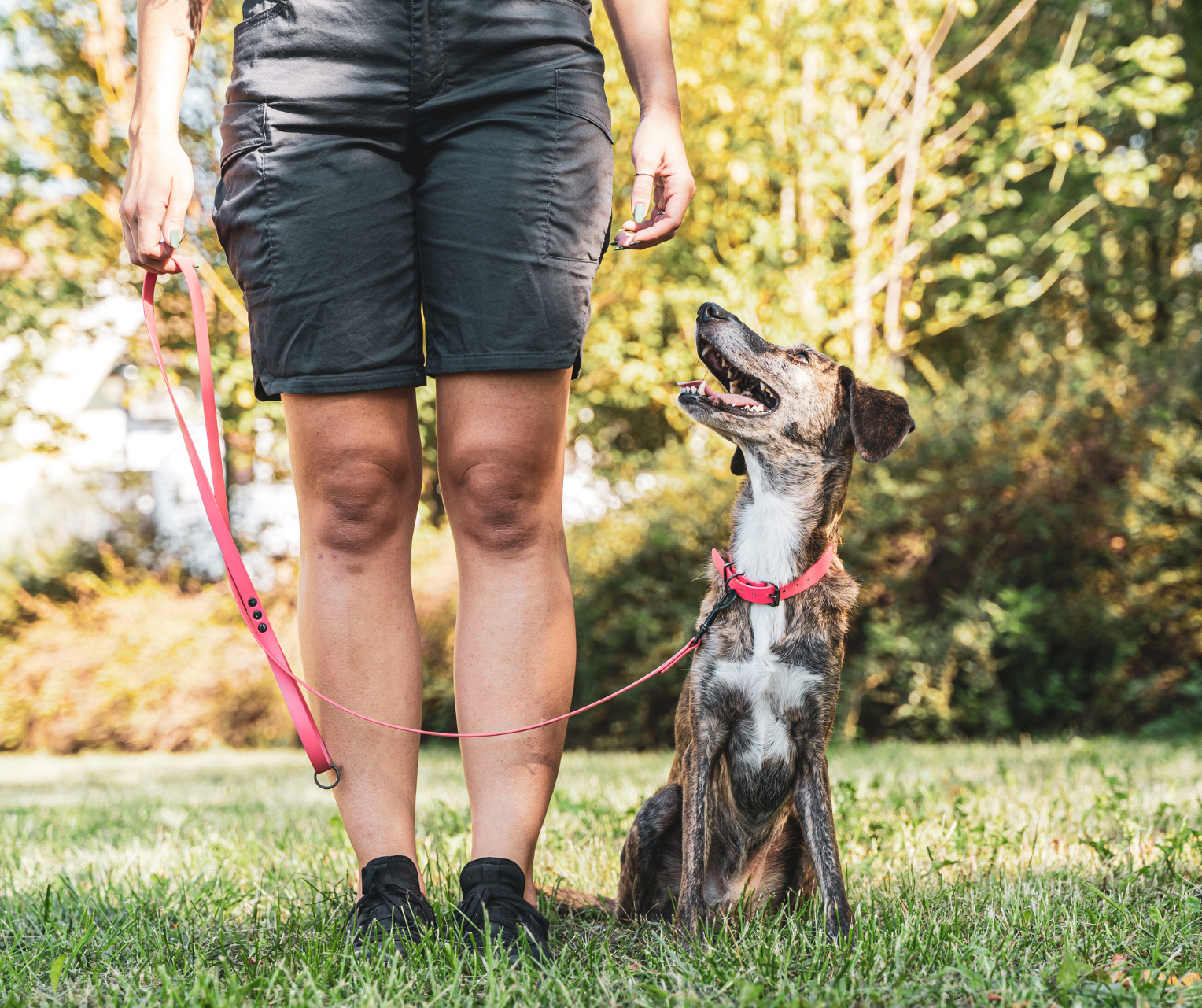
Basic Obedience Training: Building the Foundation for a Lifetime of Good Behavior
Every dog owner dreams of having a dog that listens reliably, walks politely on a leash, comes when called, and remains calm around family, friends, and everyday distractions. While every dog has a unique personality, these goals all begin with one thing: basic obedience training.
Obedience training is much more than teaching a dog to sit or stay. It’s about creating clear communication, building trust, and developing a relationship where both the dog and owner understand one another. A well-trained dog is often more confident, safer in public, and easier to include in everyday activities, from family gatherings to vacations and outdoor adventures.
Whether you’ve just welcomed a new puppy, adopted an older rescue dog, or simply want to improve your dog’s manners, investing time in obedience training can make a lasting difference.
What Is Basic Obedience Training?
Basic obedience training teaches dogs a set of foundational skills that help them navigate daily life safely and confidently. These commands create structure and provide owners with reliable ways to communicate expectations.
Most basic obedience programs focus on teaching dogs to:
- Sit
- Down
- Stay
- Come (Recall)
- Heel or Loose Leash Walking
- Place
- Leave It
- Wait
- Door Manners
- Greeting People Politely
While these commands may appear simple, they form the building blocks for more advanced training and behavior modification. For example, a reliable “Place” command can help prevent jumping on guests, while a dependable recall can keep your dog safe if they accidentally get off leash.
Why Obedience Training Matters
Many people think obedience training is simply about getting a dog to follow commands. In reality, it’s about creating a language between you and your dog.
Dogs naturally look for consistency and predictability. When expectations are clear and reinforced consistently, they are more likely to make appropriate choices.
Benefits of obedience training include:
- Improved communication between dog and owner
- Better behavior around family and visitors
- Increased safety during walks and outings
- Reduced stress for both dog and owner
- Improved confidence in new environments
- Greater freedom to enjoy activities together
- Stronger bond built through teamwork
Training also provides valuable mental stimulation. Dogs enjoy learning, solving problems, and understanding how to succeed, making obedience work an important part of their overall well-being.
The Core Commands Every Dog Should Know
Sit
“Sit” is often the first command dogs learn because it is simple, versatile, and encourages self-control.
Teaching your dog to sit can help during:
- Greeting visitors
- Waiting for meals
- Crossing streets
- Veterinary appointments
- Grooming sessions
- Family gatherings
Rather than jumping or becoming overly excited, your dog learns that calm behavior earns opportunities.
Down
The “Down” command encourages relaxation and impulse control.
A dog lying quietly is naturally less likely to jump, chase, bark, or react impulsively.
Down is especially useful for:
- Restaurants
- Outdoor patios
- Sporting events
- Family dinners
- Waiting rooms
- Public outings
Many trainers combine “Down” with duration exercises that teach dogs to remain relaxed for extended periods.
Stay
Stay teaches patience and reliability.
Instead of immediately following every movement, dogs learn to remain in position until released.
Stay is valuable for:
- Opening doors
- Carrying groceries
- Greeting guests
- Preventing door rushing
- Loading vehicles
- Everyday household management
As dogs progress, trainers gradually introduce distractions to build confidence and reliability.
Recall
A reliable recall may be one of the most important skills your dog ever learns.
Coming immediately when called can prevent accidents and keep dogs safe around traffic, wildlife, other dogs, or unfamiliar environments.
Strong recall training requires:
- Consistent practice
- Positive experiences
- Gradual increases in distractions
- Reinforcement throughout the dog’s life
Even dogs that rarely spend time off leash benefit from dependable recall.
Loose Leash Walking
Walking should be enjoyable for both the dog and owner.
Unfortunately, many dogs learn that pulling gets them where they want to go. Loose leash training teaches dogs that staying near their handler is the fastest and easiest way to move through the environment.
Benefits include:
- More enjoyable walks
- Reduced pulling
- Better focus
- Improved safety
- Less physical strain on owners
Loose leash walking also lays the foundation for more advanced heel work.
Place
“Place” teaches a dog to go to a designated bed, cot, or platform and remain there until released.
This command has countless practical applications.
Owners frequently use Place during:
- Dinner
- Visitors arriving
- Family gatherings
- Children’s playtime
- Cleaning the house
- Watching television
- Working from home
Many professional trainers consider Place one of the most valuable commands a dog can learn because it develops patience, relaxation, and self-control.
When Should You Start Obedience Training?
The simple answer is: as early as possible.
Puppies begin learning from the moment they arrive home. Even at eight weeks of age, they can begin developing positive habits through short, engaging training sessions.
Older dogs can also learn successfully.
The saying, “You can’t teach an old dog new tricks,” simply isn’t true. Adult and senior dogs are fully capable of learning new skills when training is consistent and tailored to their individual needs.
Whether your dog is eight weeks or eight years old, it’s never too late to begin.
How Dogs Learn
Understanding how dogs learn helps owners become more effective trainers.
Dogs learn through consequences and repetition. Behaviors that consistently produce rewarding outcomes are more likely to occur again, while behaviors that are ignored or redirected tend to decrease over time.
Successful training depends on:
- Clear communication
- Consistency
- Timing
- Repetition
- Patience
- Appropriate motivation
Perhaps most importantly, dogs don’t automatically generalize behaviors. A dog that sits perfectly in your living room may struggle to do the same at a busy park until that skill has been practiced in different environments.
This is why professional trainers often emphasize real-world training rather than limiting practice to the home.
Common Obedience Training Mistakes
Even the most dedicated dog owners can unintentionally slow progress by making a few common mistakes.
Inconsistent Expectations
If one family member allows jumping while another discourages it, dogs receive mixed messages. Everyone in the household should use the same commands, expectations, and rules.
Moving Too Fast
Training should progress gradually. Asking a dog to perform perfectly in a busy park before they can reliably respond at home often leads to frustration for both the dog and owner.
Training Only at Home
Dogs don’t automatically understand that commands apply everywhere. Practice in different rooms, neighborhoods, parks, and public spaces helps build reliable behavior in real-life situations.
Long Training Sessions
Dogs generally learn best through short, focused sessions. Five to fifteen minutes of quality practice is often more productive than an hour of repetitive drills.
Forgetting to Practice
Training isn’t a one-time event. Incorporating commands into daily routines helps reinforce good habits and keeps skills sharp over time.
Obedience Training Is About More Than Commands
The true goal of obedience training isn’t simply to create a dog that responds to cues—it’s to build a relationship based on trust, communication, and consistency.
When dogs understand what is expected of them, they often become more confident and relaxed. Owners, in turn, gain the confidence to include their dogs in more aspects of everyday life, whether that’s visiting friends, exploring local parks, traveling, or enjoying pet-friendly restaurants.
Basic obedience lays the groundwork for everything that follows, from advanced training and off-leash reliability to addressing more complex behavior challenges.
Frequently Asked Questions
How long does basic obedience training take?
Every dog learns at a different pace, but most owners begin seeing meaningful progress within several weeks of consistent training. Long-term reliability comes through ongoing practice in a variety of environments.
Can older dogs learn obedience?
Yes. Dogs of any age can learn new behaviors with clear communication, consistency, and appropriate training.
What is the most important obedience command?
While every command has value, recall is often considered one of the most important because it can help keep your dog safe in emergency situations.
Should I train my dog every day?
Yes. Short daily training sessions are generally more effective than occasional long sessions. Even five to ten minutes of practice can reinforce good habits and improve reliability.
Find Professional Dog Training Near You
While many owners can teach foundational skills at home, professional guidance can accelerate progress and help address challenges before they become long-term habits.
Canine Trade Group connects dog owners with experienced trainers across the United States who specialize in puppy training, obedience, behavior modification, and advanced training.
Whether you’re starting with a new puppy or refining the skills of an adult dog, finding the right trainer can help you build a stronger relationship and enjoy life together with confidence.
Ready to get started? Use our Find a Trainer tool or enter your ZIP code to connect with a qualified dog trainer in your area.